













What’s an SLA battery?
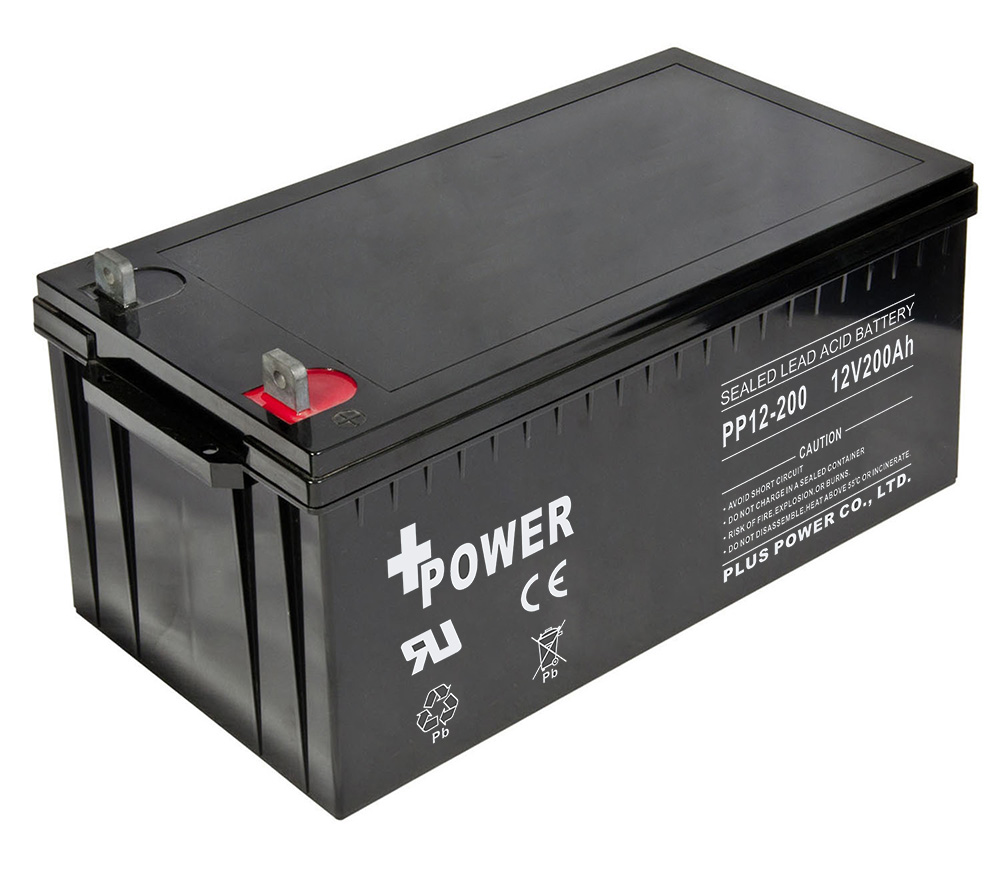
An SLA battery, which stands for Sealed Lead-Acid battery, is a type of rechargeable battery commonly used in various applications for storing electrical energy. As the name suggests, SLA batteries are sealed to prevent the escape of electrolytes and are based on lead-acid chemistry.
Here are the key features and characteristics of SLA batteries:
Sealed Design:
SLA batteries are sealed, meaning that the electrolyte (a mixture of sulfuric acid and water) is immobilized in a gel or absorbed in a glass mat. This sealed construction eliminates the need for periodic maintenance and allows the battery to be used in various orientations without the risk of electrolyte leakage.
Lead-Acid Chemistry:
SLA batteries use the lead-acid electrochemical reaction to generate electrical energy. This chemistry involves lead dioxide (PbO2) as the positive plate, sponge lead (Pb) as the negative plate, and sulfuric acid as the electrolyte.
Rechargeable:
SLA batteries are rechargeable, allowing them to be charged and discharged multiple times. This characteristic makes them suitable for applications where a reliable and rechargeable power source is required.
Common Applications:
SLA batteries find use in a variety of applications, including uninterruptible power supply (UPS) systems, emergency lighting, security systems, electric scooters, medical devices, and small to medium-sized renewable energy systems.
Different Types:
There are two main types of SLA batteries: Absorbent Glass Mat (AGM) and Gel batteries.
AGM Batteries: In AGM batteries, the electrolyte is absorbed in a glass mat separator, providing a stable and maintenance-free design. AGM batteries are commonly used in UPS systems and other applications where high discharge rates are required.
Gel Batteries: Gel batteries use a silica additive to turn the electrolyte into a gel-like substance. This design enhances the battery’s resistance to vibration and deep discharges, making gel batteries suitable for applications with demanding conditions.
Maintenance-Free:
SLA batteries are generally maintenance-free due to their sealed design. Unlike traditional flooded lead-acid batteries, which require periodic water top-ups, SLA batteries do not need regular maintenance.
Reliable and Cost-Effective:
SLA batteries are known for their reliability, relatively low cost, and availability. These factors contribute to their widespread use in various consumer, industrial, and commercial applications.
Nominal Voltage:
The nominal voltage of a single SLA battery cell is typically around 2 volts. Therefore, a common SLA battery for consumer use might have a nominal voltage of 6 volts (3 cells) or 12 volts (6 cells) when multiple cells are connected in series.
SLA batteries are valued for their versatility, durability, and cost-effectiveness, making them a popular choice for many applications that require reliable and rechargeable energy storage.
The SLA battery categories
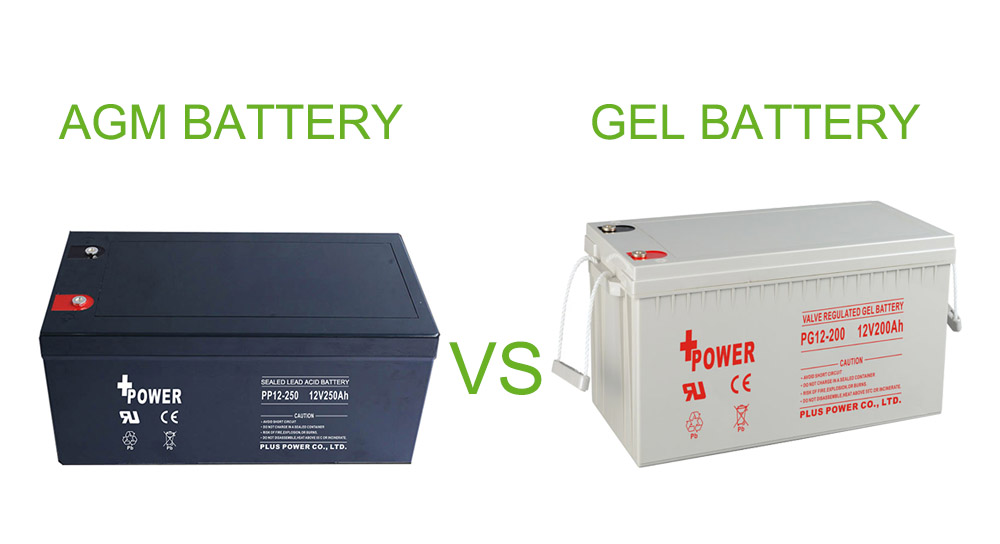
Sealed Lead-Acid (SLA) batteries come in various categories, each designed to suit specific applications and requirements. The two main types of SLA batteries are Absorbent Glass Mat (AGM) batteries and Gel batteries. Here’s an overview of each category:
Absorbent Glass Mat (AGM) Batteries:
Construction: AGM batteries use a glass mat separator to absorb and immobilize the electrolyte. This separator is designed to be porous, allowing for efficient electrolyte absorption.
Sealed Design: AGM batteries are completely sealed, preventing electrolyte leakage. This sealed construction makes them maintenance-free and suitable for applications where a maintenance-free and spill-proof design is essential.
Performance: AGM batteries are known for their high-performance characteristics. They can deliver high discharge currents and are suitable for applications with demanding power requirements, such as UPS systems, electric scooters, and certain renewable energy systems.
Versatility: AGM batteries are versatile and can be used in a wide range of applications, including emergency lighting, security systems, telecommunications, and portable power systems.
Gel Batteries:
Construction: Gel batteries use a silica additive in the electrolyte, transforming it into a gel-like substance. This gel construction enhances the battery’s resistance to vibration and deep discharges.
Sealed Design: Like AGM batteries, gel batteries are sealed, ensuring a maintenance-free and spill-proof design. The gel electrolyte immobilizes the acid, allowing for use in various orientations without the risk of leakage.
Durability: Gel batteries are known for their durability and resilience in challenging conditions. They are suitable for applications with frequent deep discharges and environments where the battery may experience vibrations.
Applications: Gel batteries are commonly used in applications such as solar power systems, recreational vehicles (RVs), boats, medical devices, and backup power systems where a robust and reliable energy storage solution is required.
These two main categories, AGM and Gel batteries, offer different characteristics and performance capabilities, allowing users to choose the type that best suits their specific needs. When selecting between AGM and Gel batteries, considerations include the application requirements, cycling needs, and environmental conditions. Additionally, within each category, there may be variations in capacity, voltage, and other specifications to further tailor the battery to specific applications.
The same and differences between SLA battery and VRLA battery
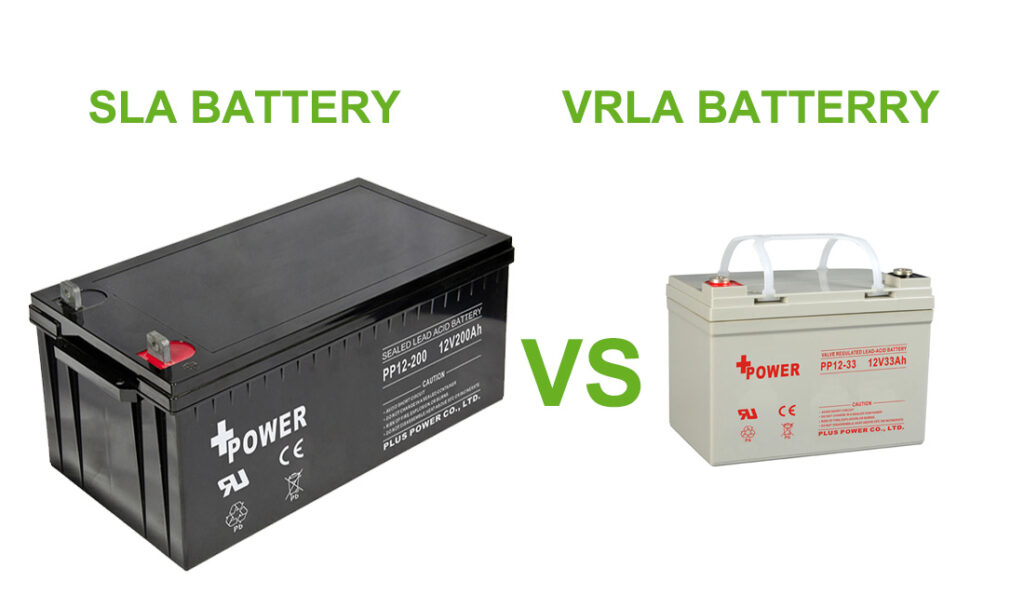
Sealed Lead-Acid (SLA) batteries and Valve-Regulated Lead-Acid (VRLA) batteries are terms that are often used interchangeably, but there are subtle differences between the two. VRLA batteries are essentially a subset of SLA batteries. Here’s an explanation of both, along with their similarities and differences:
Sealed Lead-Acid (SLA) Battery:
Construction: SLA batteries are sealed to prevent the escape of electrolytes. The electrolyte is either immobilized in a gel (Gel battery) or absorbed in a glass mat (Absorbent Glass Mat or AGM battery).
Maintenance-Free: SLA batteries, by virtue of being sealed, are maintenance-free. There is no need for periodic water addition, as is the case with traditional flooded lead-acid batteries.
Types: SLA batteries include AGM batteries and Gel batteries. AGM batteries use a glass mat separator to absorb the electrolyte, while Gel batteries use a gel-like substance to immobilize the electrolyte.
Applications: SLA batteries find applications in a wide range of fields, including uninterruptible power supply (UPS) systems, emergency lighting, security systems, electric scooters, medical devices, and small to medium-sized renewable energy systems.
Valve-Regulated Lead-Acid (VRLA) Battery:
Sealed and Valve-Regulated: VRLA is a specific category of SLA batteries. VRLA batteries are both sealed and valve-regulated. The term “valve-regulated” refers to the presence of a one-way valve that allows gases generated during charging to escape while preventing external air from entering. This valve regulates internal pressure.
Absence of Free Electrolyte: VRLA batteries are designed to be nearly maintenance-free, as they do not require the addition of water. The immobilized or gelled electrolyte eliminates the presence of a free-flowing liquid electrolyte.
Two Types: VRLA batteries include both AGM (Absorbent Glass Mat) batteries and Gel batteries. Therefore, all VRLA batteries are SLA batteries, but not all SLA batteries are necessarily VRLA batteries.
Applications: VRLA batteries are commonly used in applications where maintenance is challenging or not practical. This includes standby power systems, telecommunications, and various backup power applications.
Similarities:
Sealed Design: Both SLA and VRLA batteries share a sealed design, preventing the leakage of electrolytes and making them suitable for applications where maintenance-free operation is desired.
Rechargeable: Both types are rechargeable and can be charged and discharged multiple times.
Differences:
Valve Regulation: The key difference is that all VRLA batteries have a valve-regulated design, which is not a universal feature of all SLA batteries. The valve allows the controlled release of gases produced during charging.
Use of Term: While VRLA is a specific category within SLA, the term SLA is more generic and can include batteries with immobilized electrolytes but without the valve-regulated feature.
In summary, all VRLA batteries are SLA batteries, but not all SLA batteries are classified as VRLA. The primary distinction lies in the valve-regulated design of VRLA batteries, providing additional safety and maintenance advantages.
How to find a good SLA battery supplier in China?
Finding a good Sealed Lead-Acid (SLA) battery supplier in China involves a systematic approach to ensure you choose a reliable and reputable supplier. Here are some steps you can take:
Online Platforms:
Utilize online business-to-business platforms to search for SLA battery suppliers in China. These platforms provide information about suppliers, their products, certifications, and customer reviews.
Industry Directories:
Industry Associations and Directories: Explore industry-specific directories and associations related to batteries and energy storage. These sources may provide a list of reputable suppliers.
Verify Certifications:
ISO Certifications: Ensure that potential suppliers hold relevant certifications, such as ISO 9001 for quality management systems. This indicates a commitment to quality production processes.
Product Certifications: Check if the SLA batteries comply with international standards and regulations. Common certifications include CE, UL, and RoHS.
Company Background and Reputation:
Company History: Look for suppliers with a solid history in the industry. Longevity can be an indicator of experience and reliability.
Customer Reviews and Testimonials: Check for customer reviews and testimonials on various platforms. Positive feedback can indicate customer satisfaction.
Product Samples:
Request Samples: Ask potential suppliers for samples of their SLA batteries. Evaluate the quality, performance, and specifications to ensure they meet your requirements.
Factory Visit:
Visit the Supplier’s Facility: If feasible, consider visiting the supplier’s manufacturing facility. This provides firsthand insight into their production processes, quality control measures, and overall capabilities.
Communication and Responsiveness:
Communication Skills: Evaluate the supplier’s communication skills and responsiveness. A reliable supplier should respond promptly and clearly to your inquiries.
Language Barrier: Ensure that there is clear and effective communication, considering potential language barriers.
Check for Customization and Scalability:
Product Customization: Inquire about the supplier’s ability to customize SLA batteries according to your specific needs.
Scalability: Check if the supplier can handle orders of varying sizes, from small quantities to larger volumes.
Evaluate Pricing and Payment Terms:
Detailed Pricing Information: Request detailed pricing information, including any additional costs such as shipping and customs duties.
Payment Terms: Discuss and agree upon payment terms that are mutually acceptable.
Legal Considerations:
Contracts: Draft a clear and comprehensive contract that outlines all terms and conditions, including product specifications, delivery schedules, and payment terms.
Legal Support: Seek legal advice to ensure that the contract is legally binding and protects your interests.
Attend Trade Shows:
Industry Trade Shows: Attend relevant trade shows and exhibitions in China to meet potential SLA battery suppliers in person and gather more information about their products and services.
Remember to conduct thorough due diligence, and consider starting with a smaller order before committing to larger quantities to assess the supplier’s reliability. Additionally, you may choose to work with a reputable sourcing agent to assist you in the supplier selection process.