













What’s a Lithium-ion battery?
It appears there might be a slight typo in your question. I assume you meant “Lithium-ion battery.”
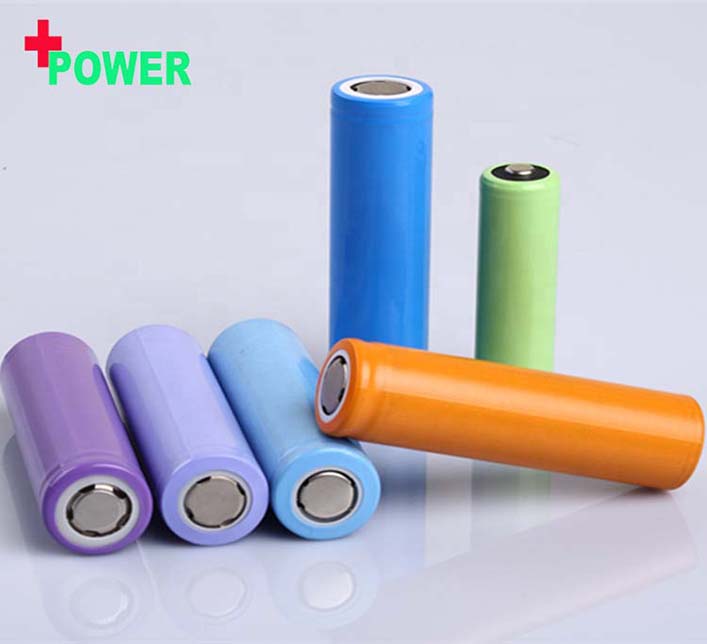
A Lithium-ion (Li-ion) battery is a type of rechargeable battery that uses lithium ions as the charge carriers. These batteries are widely used in portable electronic devices, such as laptops, smartphones, tablets, and cameras, as well as in electric vehicles and renewable energy storage systems.
The key advantage of Lithium-ion batteries is their high energy density, which means they can store a large amount of energy in a relatively small and lightweight package. This makes them suitable for use in devices where compactness and lightness are essential. Additionally, Li-ion batteries have a lower self-discharge rate compared to other rechargeable batteries, allowing them to hold their charge for longer periods.
However, it’s important to note that while Lithium-ion batteries have numerous benefits, they also come with some challenges, including potential safety concerns like overheating and the risk of fire in certain conditions. Manufacturers implement safety features and guidelines to minimize these risks, but proper handling and usage are still crucial.
The lithium-ion battery categories
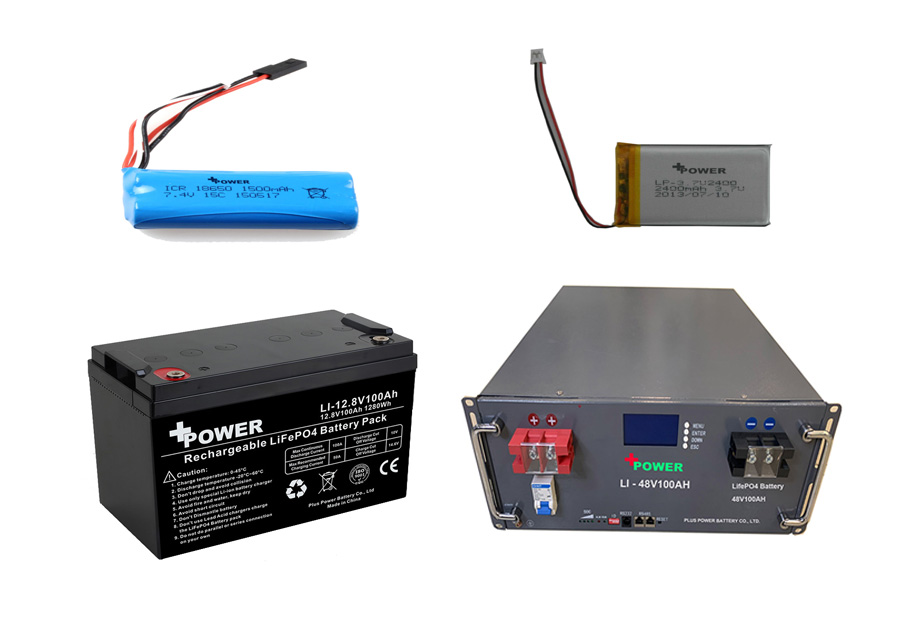
Lithium-ion batteries come in various categories and chemistries, each designed for specific applications and optimized for different characteristics. Here are some common types of lithium-ion batteries:
Lithium Cobalt Oxide (LiCoO2 or LCO): This type is widely used in consumer electronics like laptops and smartphones due to its high energy density. However, it can be sensitive to high temperatures and has a relatively shorter lifespan compared to other types.
Lithium Manganese Oxide (LiMn2O4 or LMO): These batteries offer improved safety and a longer lifespan compared to LiCoO2 batteries. They are commonly used in power tools and electric vehicles.
Lithium Iron Phosphate (LiFePO4 or LFP): Known for its excellent thermal stability, safety, and long cycle life, LiFePO4 is commonly used in electric vehicles, solar energy storage systems, and certain industrial applications.
Lithium Nickel Cobalt Manganese Oxide (LiNiCoMnO2 or NMC): This type is a compromise between the high energy density of LiCoO2 and the stability of LiMn2O4. NMC batteries are used in various applications, including electric vehicles and power tools.
Lithium Nickel Cobalt Aluminum Oxide (LiNiCoAlO2 or NCA): Similar to NMC, NCA batteries offer high energy density and are often used in electric vehicles, particularly in some Tesla models.
Lithium Titanate (Li4Ti5O12 or LTO): Known for its exceptionally long cycle life and fast charge/discharge capabilities, LTO batteries are used in applications where these characteristics are critical, such as in some electric buses and certain energy storage systems.
Which types of lithium-ion batteries are most popular in the world?
Lithium-ion batteries with Nickel Manganese Cobalt (NMC) and Lithium Iron Phosphate (LiFePO4 or LFP) chemistries are among the most popular types globally, each catering to different applications.
NMC (Nickel Manganese Cobalt): This type is widely used in electric vehicles, portable electronic devices, and renewable energy storage systems. NMC batteries strike a balance between energy density, power capability, and longevity. They are popular in the automotive industry for electric vehicles (EVs) due to their high energy density, which allows for longer driving ranges.
LiFePO4 (Lithium Iron Phosphate): Known for its safety, long cycle life, and thermal stability, LiFePO4 batteries are commonly used in electric vehicles, solar energy storage systems, and other applications where safety and longevity are crucial.
The popularity of battery types can vary based on the specific requirements of different industries and applications. Additionally, advancements in battery technology and market trends may influence the popularity of specific types over time. It’s recommended to check more recent sources for the latest information on lithium-ion battery usage trends.
Why import Lithium batteries from China?
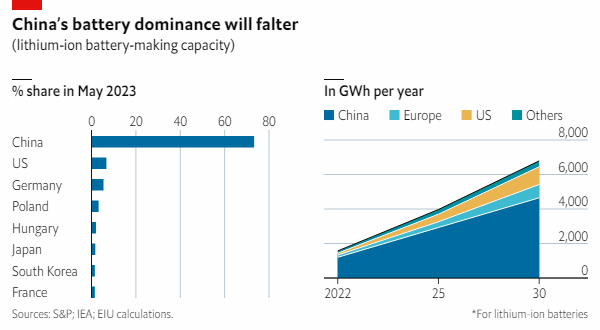
Importing lithium batteries from China can be a common practice for several reasons:
Cost-Effective Manufacturing: China has established itself as a global manufacturing hub, offering cost-effective production of various goods, including lithium batteries. The lower production costs, efficient supply chains, and economies of scale contribute to competitive pricing.
Diverse Product Range: Chinese manufacturers often provide a wide range of lithium battery types, chemistries, and specifications. This diversity allows businesses to find or customize batteries that meet specific requirements for different applications, from consumer electronics to electric vehicles.
Large-Scale Production Capacity: China has substantial manufacturing capacity for lithium batteries, allowing for large-scale production to meet global demand. This scale often results in quicker production turnaround times and the ability to fulfill bulk orders.
Technological Expertise: Chinese battery manufacturers have developed significant expertise in battery technology. They often invest in research and development, leading to advancements in battery performance, safety, and energy density.
Global Supply Chains: China is intricately connected to global supply chains, facilitating the export of lithium batteries to various countries. This connectivity ensures a steady supply of raw materials and components required for battery production.
Regulatory Compliance: Many Chinese battery manufacturers adhere to international quality standards and certifications. This helps ensure that the imported lithium batteries comply with safety and quality regulations in the destination countries.
Customization Options: Chinese manufacturers often offer customization options, allowing businesses to tailor lithium batteries to their specific needs. This can include variations in size, capacity, voltage, and other specifications.
How to find a good Lithium-ion battery factory in China
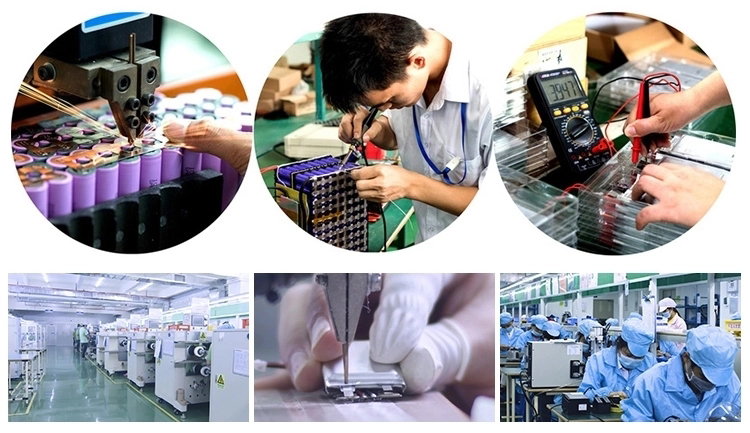
Finding a reliable Lithium-ion battery factory in China requires careful research and due diligence to ensure product quality, safety, and compliance with international standards. Here are some steps you can take:
Research and Identify Potential Suppliers:
Use online platforms to search for Lithium-ion battery factories and suppliers.
Industry directories: Explore industry directories and trade associations related to batteries and energy storage.
Check Certifications and Compliance:
Verify certifications: Ensure that the manufacturer holds relevant certifications, such as ISO 9001 for quality management and ISO 14001 for environmental management.
Compliance with safety standards: Confirm that the batteries comply with international safety standards, such as IEC 62133 and UN38.3.
Review Company Profiles:
Company history: Look for well-established manufacturers with a history of producing high-quality batteries.
Production capabilities: Assess the factory’s production capacity, technology, and equipment.
Request Samples and Specifications:
Request product samples: Before placing a large order, ask for samples to evaluate the quality and performance of the batteries.
Detailed specifications: Obtain detailed technical specifications for the batteries, including energy density, cycle life, and safety features.
Visit the Factory or Arrange a Third-Party Inspection:
Factory visit: If possible, visit the factory to assess its facilities, production processes, and quality control measures.
Third-party inspection: Consider hiring a third-party inspection service to evaluate the factory’s production and quality management systems.
Check References and Reviews:
Customer references: Ask for references from other clients who have worked with the manufacturer.
Online reviews: Search for reviews and feedback from other buyers to gauge the reputation of the manufacturer.
Negotiate Terms and Conditions:
Price negotiation: Discuss pricing terms, payment conditions, and any potential customization requirements.
Contracts: Ensure that all terms are clearly outlined in a comprehensive contract, covering aspects like delivery times, quality standards, and warranties.
Consider After-Sales Support:
Warranty and support: Check the manufacturer’s warranty policy and after-sales support services.
Technical support: Assess the availability of technical support in case of any issues with the batteries.
Stay Informed About Regulations:
Stay updated on import regulations: Be aware of import regulations in your country and ensure that the batteries comply with these regulations.
Remember that due diligence is crucial when sourcing products from overseas. Engaging with reputable suppliers and conducting thorough research will help you find a reliable Lithium-ion battery factory in China.
Why choose Plus Power lithium-ion batteries?
Plus Power lithium-ion batteries have the following advantages:
High Energy Density: Plus Power lithium-ion batteries offer a high energy density, providing more energy storage in a smaller and lighter package compared to other battery technologies.
Long Cycle Life: Plus Power lithium-ion batteries have a longer cycle life compared to many other rechargeable batteries, meaning they can undergo more charge and discharge cycles before their performance degrades significantly.
Fast Charging: Plus Power lithium-ion batteries often support fast charging, allowing devices or electric vehicles to be charged quickly.
Lightweight and Compact: Plus Power lithium-ion batteries are known for their lightweight and compact design, making them suitable for portable electronic devices and applications where space and weight are critical factors.
Low Self-Discharge Rate: Plus Power lithium-ion batteries have a relatively low self-discharge rate, meaning they can hold their charge for an extended period when not in use.
Versatility: Plus Power lithium-ion batteries come in various chemistries, such as Lithium Cobalt Oxide (LiCoO2), Lithium Iron Phosphate (LiFePO4), and others, allowing Plus Power to tailor the batteries to specific applications based on factors like energy density, safety, and cost.
Wide Range of Applications: Plus Power lithium-ion batteries are used in a diverse range of applications, including consumer electronics, electric vehicles, renewable energy storage, medical devices, and more.
When considering the advantages of Plus Power lithium-ion batteries specifically, it’s recommended to refer to the product specifications provided by Plus Power, customer reviews, and any official documentation from Plus Power. This information will give you insights into the specific features, performance characteristics, and benefits of Plus Power lithium batteries. Always verify the most recent and accurate details directly from Plus Power or authorized distributors.