















What’s the Battery Management System?
A Battery Management System (BMS) is an electronic system that monitors and manages the performance of rechargeable batteries. It plays a crucial role in ensuring the safety, longevity, and efficiency of battery packs, particularly in applications like electric vehicles (EVs), renewable energy storage systems, and portable electronic devices.
Key functions of a BMS include:
State of Charge (SoC) Estimation: Determining the amount of charge remaining in the battery to provide accurate information to users about how much energy is available.
State of Health (SoH) Monitoring: Assessing the overall health and condition of the battery to predict its remaining lifespan and performance capabilities.
Cell Balancing: Ensuring that individual cells within a battery pack are charged and discharged evenly to maximize energy capacity and prevent overcharging or undercharging of specific cells.
Temperature Monitoring: Monitoring the temperature of the battery cells to prevent overheating, which can lead to reduced performance, safety hazards, and shortened battery life.
Voltage Monitoring: Monitoring the voltage of each cell within the battery pack to ensure that it operates within safe limits and to detect any abnormalities.
Overcurrent Protection: Preventing excessive currents from damaging the battery cells by disconnecting the load or activating safety mechanisms.
Short Circuit Protection: Detecting and responding to short circuits within the battery pack to prevent damage to the cells and ensure user safety.
Cell Overvoltage and Undervoltage Protection: Prevent individual cells from being overcharged or over-discharged, which can lead to reduced performance, safety hazards, and damage to the battery.
Communication Interface: Providing a means for the BMS to communicate with other systems, such as the vehicle’s onboard computer or external monitoring devices, to relay important battery information and receive commands for operation.
Overall, a Battery Management System plays a critical role in optimizing the performance, safety, and longevity of rechargeable battery packs across various applications.
Types of Battery Management Systems(BMS)
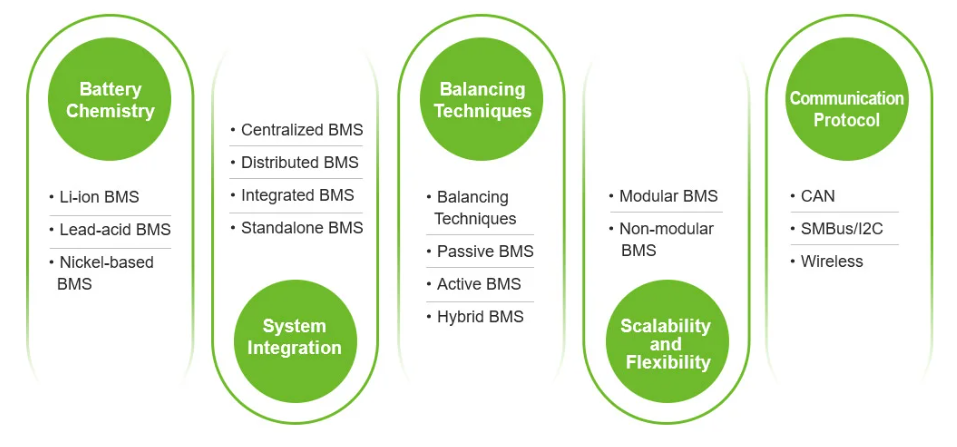
Battery Management Systems (BMS) can vary in complexity and functionality depending on the specific application and requirements. Here are several types of BMS commonly used:
Basic BMS: Basic BMS systems provide essential functions such as monitoring battery voltage, current, and temperature, as well as controlling charging and discharging processes. They are often used in simpler applications where advanced features are not necessary.
Active BMS: Active BMS systems incorporate additional features such as cell balancing, where the BMS actively redistributes charge among individual cells to ensure they remain balanced. Active balancing can help optimize battery pack performance and extend overall lifespan.
Passive BMS: Passive BMS systems rely on passive balancing techniques, such as using resistors or capacitors, to balance cell voltages. While typically less complex and cheaper than active BMS systems, passive BMS may not be as efficient in balancing cells, especially in high-current applications.
Distributed BMS: In distributed BMS architectures, each battery cell or module has its own BMS unit responsible for monitoring and controlling its operation. These individual units communicate with a central control unit, providing decentralized monitoring and control capabilities.
Centralized BMS: Centralized BMS systems have a single control unit that monitors and manages all battery cells or modules within a pack. While simpler in terms of architecture, centralized BMS may face challenges in scalability and complexity in large battery packs.
Integrated BMS: Integrated BMS solutions combine the BMS functionality into the battery pack itself, often integrated into the battery housing or casing. These systems are designed for simplicity and ease of integration but may lack flexibility compared to standalone BMS solutions.
Modular BMS: Modular BMS architectures allow for scalability and flexibility by using modular components that can be added or removed as needed. This approach simplifies maintenance and upgrades, especially in large-scale applications where battery configurations may change over time.
Smart BMS: Smart BMS systems incorporate advanced monitoring and diagnostic features, as well as communication interfaces for data logging, remote monitoring, and control. These systems enable real-time monitoring of battery health and performance, as well as predictive maintenance capabilities.
Vehicle BMS: BMS systems designed specifically for electric vehicles (EVs) often include additional features such as regenerative braking control, thermal management for battery cooling, and integration with vehicle control systems for optimal performance and efficiency.
Energy Storage System (ESS) BMS: BMS systems used in grid-scale energy storage applications may include features for grid integration, such as frequency regulation, peak shaving, and grid stabilization, in addition to standard battery monitoring and control functions.
Each type of BMS has its advantages and limitations, and the choice of BMS depends on factors such as the application requirements, budget, scalability, and integration considerations.
Why the BMS is important to the Lithium battery?
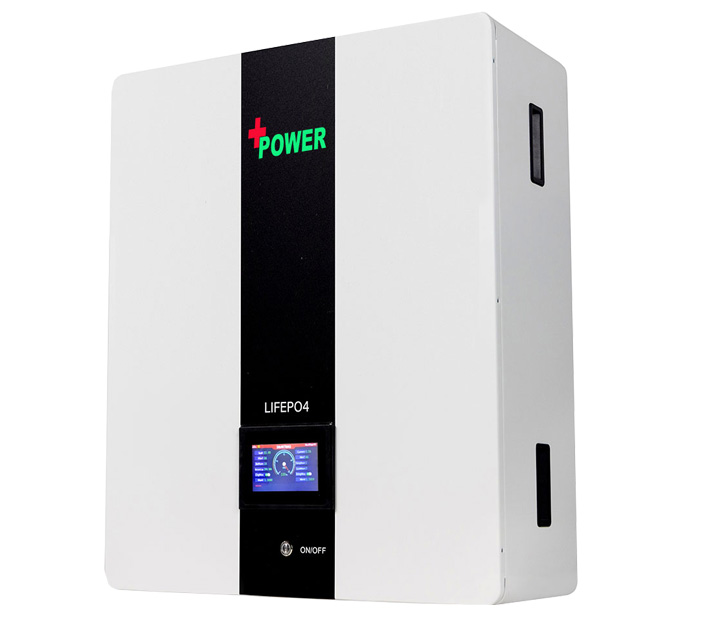
The Battery Management System (BMS) is critically important for lithium-ion batteries for several reasons:
Safety: Lithium-ion batteries can be prone to thermal runaway and other safety hazards if not properly monitored and managed. The BMS helps prevent overcharging, over-discharging, and overheating, which can lead to fires or explosions. It implements safety features such as overvoltage protection, undervoltage protection, and temperature monitoring to ensure safe operation.
Performance Optimization: Effective management of lithium-ion batteries can optimize their performance and efficiency. The BMS ensures that cells are balanced, meaning they are charged and discharged evenly, maximizing the usable capacity of the battery pack. It also helps maintain stable voltage and current levels, which are essential for consistent and reliable operation.
Longevity: Proper care and management can extend the lifespan of lithium-ion batteries. The BMS monitors the battery’s state of health (SoH) over time, tracking factors like capacity degradation and cycle count. By preventing stress conditions such as overcharging or deep discharging, the BMS helps preserve the battery’s capacity and overall lifespan.
State of Charge (SoC) Estimation: Knowing the remaining charge in a lithium-ion battery is crucial for many applications, from electric vehicles to portable electronics. The BMS accurately estimates the state of charge based on voltage, current, and temperature measurements, providing users with reliable information about how much energy is available.
Cell Protection: Lithium-ion battery packs typically consist of multiple individual cells connected in series and parallel. The BMS ensures that each cell is protected from damage by monitoring and controlling voltage levels, preventing overcharging or over-discharging of individual cells.
Communication and Integration: In many applications, the BMS interfaces with other systems, such as vehicle management systems or energy management systems in renewable energy installations. By providing real-time data and control capabilities, the BMS enables seamless integration and coordination with other components of the system.
Overall, the BMS is essential for ensuring the safe, efficient, and reliable operation of lithium-ion batteries across a wide range of applications, from consumer electronics to electric vehicles and grid-scale energy storage systems.
How to work for the BMS of a Lithium battery?
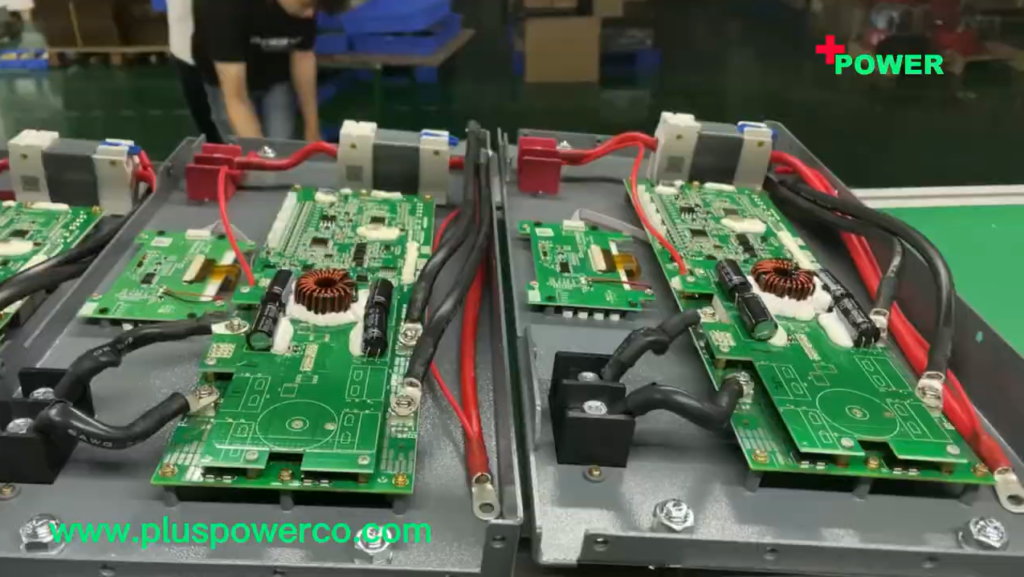
The operation of a Battery Management System (BMS) for a lithium-ion battery involves several key processes to ensure the battery’s safety, performance, and longevity:
State of Charge (SoC) Estimation: The BMS continuously monitors the voltage, current, and temperature of the battery cells to estimate the remaining charge. It uses algorithms and mathematical models to predict the SoC accurately.
Cell Balancing: Lithium-ion battery packs consist of multiple cells connected in series and parallel. The BMS ensures that each cell is charged and discharged evenly to prevent the overcharging of some cells and the undercharging of others. It achieves this by controlling the charging and discharging currents to balance the voltage levels across all cells.
Voltage Monitoring: The BMS monitors the voltage of each cell to ensure they stay within safe operating limits. If any cell voltage exceeds the predefined thresholds, the BMS can take corrective actions such as reducing the charging current or disconnecting the cell from the circuit.
Current Limiting and Overcurrent Protection: The BMS limits the charging and discharging currents to prevent overloading the battery, which can lead to overheating and damage. It also provides overcurrent protection by disconnecting the battery from the load or charging source if the current exceeds the specified threshold.
Temperature Monitoring and Thermal Management: Lithium-ion batteries are sensitive to temperature variations, and excessive heat can degrade their performance and lead to safety hazards. The BMS monitors the temperature of the battery cells and activates cooling systems or reduces the charging current if the temperature rises above safe levels.
State of Health (SoH) Monitoring: The BMS tracks the battery’s degradation over time by analyzing parameters such as internal resistance, capacity fade, and cycle count. It provides feedback on the battery’s health and remaining lifespan, allowing users to anticipate maintenance or replacement needs.
Safety Features: In addition to monitoring and control functions, the BMS incorporates safety features such as short circuit protection, overvoltage protection, and undervoltage protection to prevent catastrophic failures and ensure user safety.
Communication Interface: The BMS often includes communication interfaces such as CAN (Controller Area Network) or SMBus (System Management Bus) to exchange data with external systems like vehicle control units or monitoring software. This allows for real-time monitoring, diagnostics, and remote control of the battery system.
Overall, the BMS plays a crucial role in managing the operation of lithium-ion batteries and optimizing their performance, safety, and reliability across various applications.
Why choose Plus Power lithium battery with BMS?
Choosing a Plus Power lithium battery with a Battery Management System (BMS) offers several benefits:
Safety: Plus Power lithium batteries are equipped with advanced BMS technology, ensuring the safety of the battery during charging, discharging, and storage. The BMS continuously monitors parameters such as voltage, current, and temperature to prevent overcharging, over-discharging, and overheating, which can pose safety hazards.
Performance Optimization: The BMS in Plus Power lithium batteries helps optimize battery performance by ensuring balanced charging and discharging of individual cells. This balancing prevents capacity imbalances among cells, maximizing the overall capacity and longevity of the battery pack.
Enhanced Lifespan: With precise control over charging and discharging processes, the BMS helps extend the lifespan of Plus Power lithium batteries. By preventing harmful conditions such as overcharging or deep discharging, the BMS minimizes stress on the battery cells, resulting in improved durability and longevity.
Reliability: Plus Power lithium batteries with BMS offer high reliability, thanks to the robust protection mechanisms incorporated into the BMS. These mechanisms safeguard the battery against various fault conditions, ensuring consistent and reliable performance over time.
Intelligent Monitoring and Management: The BMS provides intelligent monitoring and management capabilities, allowing users to track battery performance, state of charge, and health in real-time. This information enables proactive maintenance and troubleshooting, ensuring optimal operation of the battery system.
Compatibility and Integration: Plus Power lithium batteries with BMS are designed for seamless integration with various applications and systems. The BMS may feature communication interfaces such as CAN bus or Modbus, enabling easy integration with monitoring systems, control units, and other components of the application.
Scalability and Flexibility: Plus Power lithium batteries with BMS offer scalability and flexibility to meet the specific requirements of different applications. Whether it’s a small-scale residential energy storage system or a large-scale commercial or industrial application, Plus Power lithium batteries can be tailored to suit the needs of the project.
Overall, choosing a Plus Power lithium battery with BMS provides peace of mind, knowing that you’re investing in a safe, reliable, and high-performance energy storage solution tailored to your specific needs.