














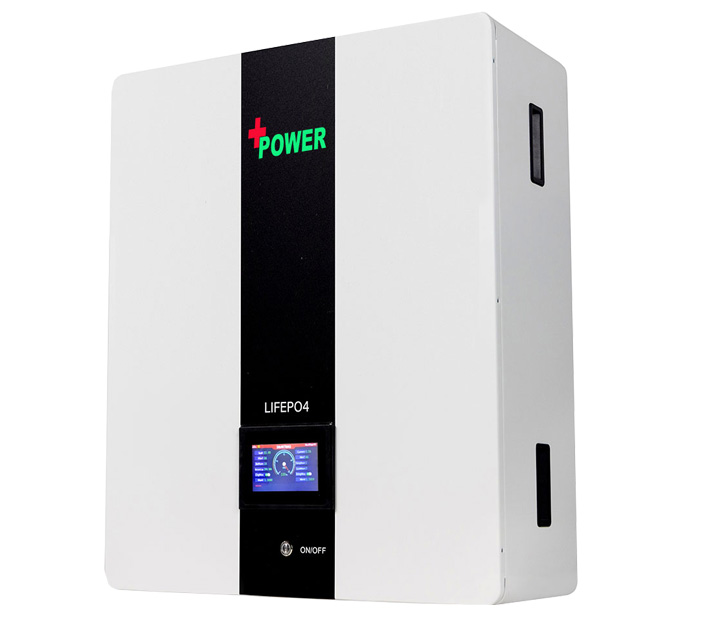
What’s a LifePO4 Battery?
A LiFePO4 battery, short for Lithium Iron Phosphate battery, is a type of rechargeable lithium-ion battery known for its high energy density, long cycle life, and enhanced safety features compared to other lithium-ion chemistries. The “LiFePO4” designation refers to the specific chemical compound used as the cathode material in these batteries, which is lithium iron phosphate (LiFePO4).
LiFePO4 batteries are commonly used in various applications such as electric vehicles, renewable energy storage systems, portable electronic devices, and backup power supplies due to their stable performance, low self-discharge rate, and resistance to thermal runaway and overheating. They are considered environmentally friendly due to their non-toxicity and the abundance of the raw materials used in their production.
LifePO4 battery categories
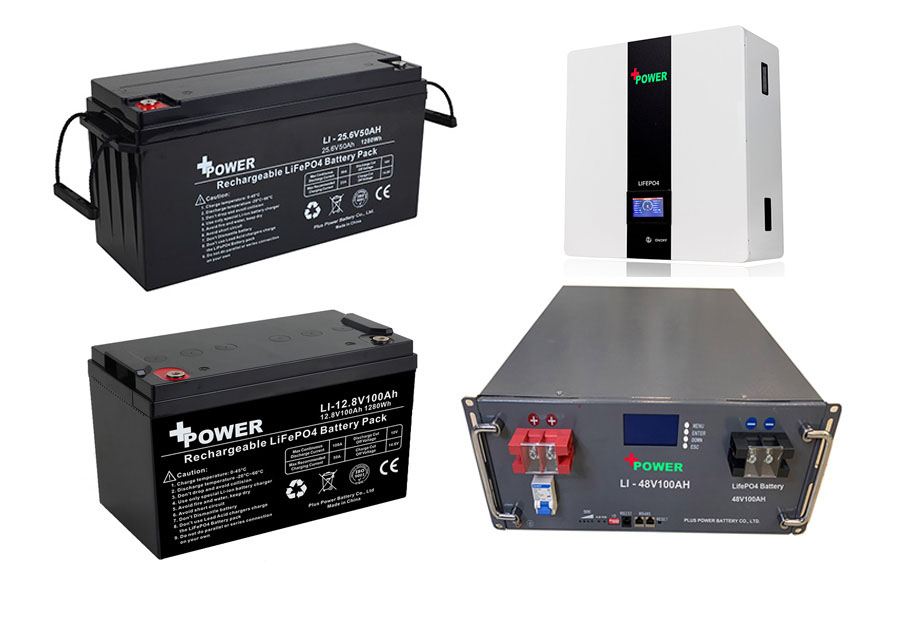
LiFePO4 batteries can be categorized based on various factors such as size, voltage, capacity, and intended use. Here are some common categories:
Size/Form Factor: LiFePO4 batteries come in various sizes and shapes to suit different applications. Common form factors include cylindrical cells, prismatic cells, and pouch cells. Cylindrical cells are often used in consumer electronics and power tools, while prismatic and pouch cells are more commonly found in electric vehicles and energy storage systems.
Voltage: LiFePO4 batteries typically have a nominal voltage of 3.2 volts per cell. However, they can be configured in series to achieve higher voltages. For example, a battery pack consisting of four cells in series would have a nominal voltage of 12.8 volts.
Capacity: LiFePO4 batteries are available in a wide range of capacities, typically measured in ampere-hours (Ah) or watt-hours (Wh). Higher capacity batteries can store more energy and provide longer runtimes between charges.
Application: LiFePO4 batteries are used in various applications such as electric vehicles (EVs), hybrid electric vehicles (HEVs), plug-in hybrid electric vehicles (PHEVs), renewable energy storage systems, portable electronic devices, backup power supplies, and more. Different applications may require batteries with specific performance characteristics such as high power output, fast charging capabilities, or long cycle life.
Performance Characteristics: LiFePO4 batteries can also be categorized based on their performance characteristics such as cycle life, rate capability, self-discharge rate, and operating temperature range. Batteries designed for high-performance applications may have features optimized for rapid charging, high discharge rates, or extended cycle life.
Overall, the categorization of LiFePO4 batteries depends on the specific requirements of the application and the desired performance characteristics.
How the lifePO4 battery works?
A LiFePO4 battery works through a series of chemical reactions that occur during charging and discharging cycles. Here’s a simplified explanation of the process:
Charging: When a LiFePO4 battery is connected to a charger, lithium ions (Li+) move from the positive electrode (cathode) made of lithium iron phosphate (LiFePO4) to the negative electrode (anode) typically made of graphite. This process is accompanied by the flow of electrons through the external circuit, which can be harnessed to power devices or stored for later use.
Discharging: When the battery is supplying power to a device, the reverse process occurs. Lithium ions move from the negative electrode (anode) back to the positive electrode (cathode) through the electrolyte, releasing stored energy in the form of electrons that flow through the external circuit, powering the connected device.
Chemical Reactions: During charging and discharging, lithium ions shuttle back and forth between the electrodes through the electrolyte (typically a lithium salt dissolved in a solvent). The chemical reactions at the electrodes involve the insertion and extraction of lithium ions into and out of the crystal lattice structure of the electrode materials. In the case of LiFePO4, iron phosphate (FePO4) is formed when lithium ions are extracted during discharging, and LiFePO4 is regenerated during charging.
Stability and Safety: LiFePO4 batteries are known for their stability and safety due to the strong covalent bonds present in the LiFePO4 crystal structure, which makes them less prone to thermal runaway and overheating compared to other lithium-ion chemistries. Additionally, the voltage of LiFePO4 cells remains relatively constant throughout the discharge cycle, providing more consistent power output.
Overall, LiFePO4 batteries offer a reliable and efficient energy storage solution for various applications, with the added benefits of long cycle life, high energy density, and enhanced safety features.
The applications for lifePO4 batteries
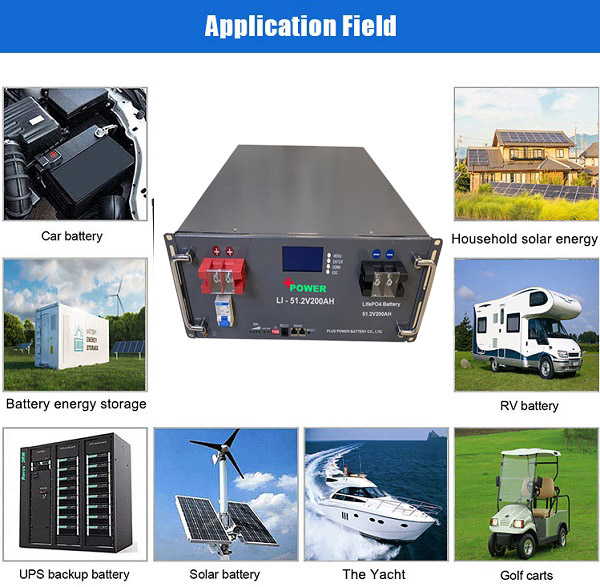
LiFePO4 batteries find applications across various industries and sectors due to their unique combination of properties including high energy density, long cycle life, and enhanced safety. Here are some common applications for LiFePO4 batteries:
Electric Vehicles (EVs): LiFePO4 batteries are increasingly used in electric vehicles due to their high energy density, long cycle life, and improved safety compared to other lithium-ion chemistries. They provide the necessary power to drive the vehicle and can store large amounts of energy for extended driving ranges.
Renewable Energy Storage: LiFePO4 batteries serve as energy storage solutions for renewable energy systems such as solar and wind power. They store excess energy generated during periods of high production and release it when demand exceeds supply, helping to stabilize the electrical grid and increase the utilization of renewable energy sources.
Portable Electronic Devices: LiFePO4 batteries are used in various portable electronic devices such as smartphones, laptops, tablets, and cameras. Their high energy density and long cycle life make them ideal for powering these devices, providing extended usage between charges.
Backup Power Systems: LiFePO4 batteries are employed in backup power systems for residential, commercial, and industrial applications. They provide reliable power backup during grid outages or emergencies, ensuring continuous operation of critical equipment and systems.
Marine and RV Applications: LiFePO4 batteries are used in marine and recreational vehicle (RV) applications to provide auxiliary power for lighting, appliances, electronics, and propulsion systems. Their lightweight design, high energy density, and long cycle life make them well-suited for mobile applications.
Off-Grid Power Systems: LiFePO4 batteries are utilized in off-grid power systems to store energy generated from sources such as solar panels, wind turbines, or generators. These systems provide reliable electricity in remote locations or areas with unreliable grid infrastructure.
Telecommunications: LiFePO4 batteries are used in telecommunications infrastructure to provide backup power for cellular towers, base stations, and communication networks. They ensure uninterrupted communication services during power outages or grid failures.
Medical Devices: LiFePO4 batteries power a variety of medical devices including portable medical equipment, patient monitoring systems, and emergency backup systems in hospitals and healthcare facilities.
Overall, LiFePO4 batteries play a critical role in a wide range of applications where high-performance energy storage solutions are required. Their reliability, safety, and efficiency make them a preferred choice for many industries seeking sustainable and reliable power solutions.
How to use and maintain the lifePO4 batteries
Using and maintaining LiFePO4 batteries properly can help maximize their performance, lifespan, and safety. Here are some guidelines for using and maintaining LiFePO4 batteries:
Initial Charging: When you first receive a LiFePO4 battery, it’s essential to fully charge it before use. Follow the manufacturer’s instructions for the recommended charging procedure and duration.
Proper Charging: Use a compatible charger specifically designed for LiFePO4 batteries. Avoid using chargers not intended for LiFePO4 chemistry, as they may damage the battery or pose safety risks. Follow the recommended charging voltage and current provided by the battery manufacturer.
Avoid Overcharging and Overdischarging: Overcharging or overdischarging LiFePO4 batteries can shorten their lifespan and affect performance. Use chargers equipped with overcharge protection, and avoid discharging the battery below its recommended minimum voltage.
Storage: If you’re storing LiFePO4 batteries for an extended period, ensure they are partially charged (around 50-70% of capacity) and store them in a cool, dry place away from direct sunlight and extreme temperatures. Periodically check the battery voltage and recharge if necessary to prevent overdischarging.
Temperature Management: LiFePO4 batteries perform best within a specific temperature range (typically between 0°C to 45°C or 32°F to 113°F). Avoid exposing the batteries to temperatures outside this range, as extreme heat or cold can degrade performance and reduce lifespan.
Handling: Handle LiFePO4 batteries with care to avoid physical damage or punctures that could lead to short circuits or thermal runaway. Use appropriate packaging and handling procedures when transporting or shipping batteries.
Regular Maintenance: Periodically inspect LiFePO4 batteries for signs of damage, swelling, or leakage. If you notice any abnormalities, discontinue use and properly dispose of or recycle the battery according to local regulations.
Balancing: In multi-cell LiFePO4 battery packs, ensure proper cell balancing to maintain uniform charge levels across all cells. Use a battery management system (BMS) or balancer to monitor and balance cell voltages during charging and discharging cycles.
Avoid Extreme Conditions: Avoid exposing LiFePO4 batteries to water, moisture, fire, or other hazardous conditions that could damage the battery or pose safety risks.
Follow Manufacturer’s Recommendations: Always refer to the manufacturer’s instructions, guidelines, and specifications for proper use, charging, and maintenance of LiFePO4 batteries.
By following these guidelines and best practices, you can ensure safe and reliable operation of LiFePO4 batteries while maximizing their lifespan and performance.