














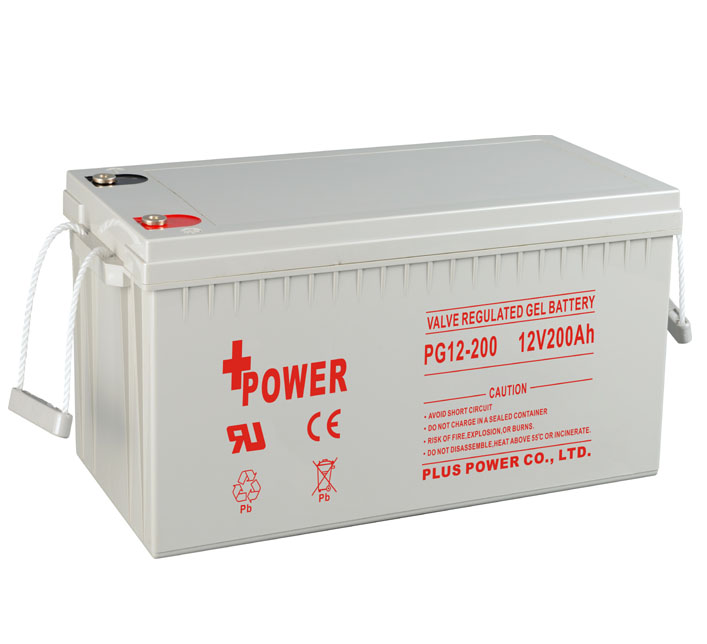
What’s a GEL battery?
A GEL battery, short for Gel Cell Battery or Gel Electrolyte Battery, is a type of sealed lead-acid battery that uses a gelified electrolyte rather than a liquid electrolyte. The gel electrolyte is usually composed of sulfuric acid mixed with silica, which forms a thick gel-like substance.
These batteries are designed to be maintenance-free and are often used in applications where vibration, shock, or orientation are a concern, such as in UPS (Uninterruptible Power Supply) systems, solar energy storage, and electric vehicles. The gel electrolyte immobilizes the electrolyte, making it less prone to leakage and spillage, and also allows for operation in any orientation without the risk of acid leakage.
GEL battery applications
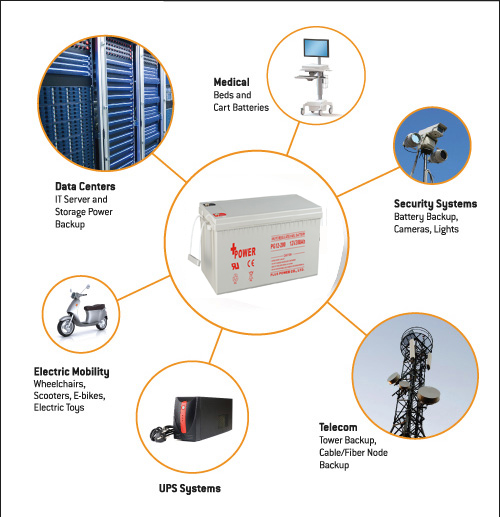
Gel batteries find applications in various fields due to their unique characteristics and advantages. Some common applications include:
Uninterruptible Power Supply (UPS) Systems: Gel batteries are often used in UPS systems to provide backup power during outages. Their reliability, long service life, and ability to deliver consistent power make them ideal for this application.
Solar Energy Storage: Gel batteries are utilized in solar energy storage systems to store excess energy generated during the day for use during periods of low sunlight or at night. They are capable of deep discharge cycles and can withstand frequent charging and discharging, making them well-suited for renewable energy applications.
Electric Vehicles (EVs): Gel batteries can be used in electric vehicles, particularly in applications where vibration and shock resistance are important considerations. While they may not offer the same energy density as some other battery types like lithium-ion, gel batteries are valued for their safety, reliability, and relatively lower cost.
Marine and RV Power: Gel batteries are commonly used in marine and recreational vehicle (RV) applications due to their ability to withstand harsh environments, resistance to vibration, and lack of maintenance requirements. They can provide reliable power for onboard electronics, lighting, and other electrical systems.
Telecommunications: Gel batteries are frequently employed in telecommunications infrastructure, such as cell towers and remote communication stations. Their ability to operate in a wide range of temperatures and environments, coupled with their long service life and low maintenance requirements, make them well-suited for providing backup power in these critical systems.
Medical Equipment: Gel batteries are used in medical equipment that requires reliable and continuous power, such as portable oxygen concentrators, patient monitoring devices, and mobile medical carts. Their sealed construction and ability to operate in various orientations make them safe and convenient for healthcare settings.
These are just a few examples of the diverse applications of gel batteries across different industries where reliability, safety, and durability are paramount.
How to judge a good or bad GEL battery?
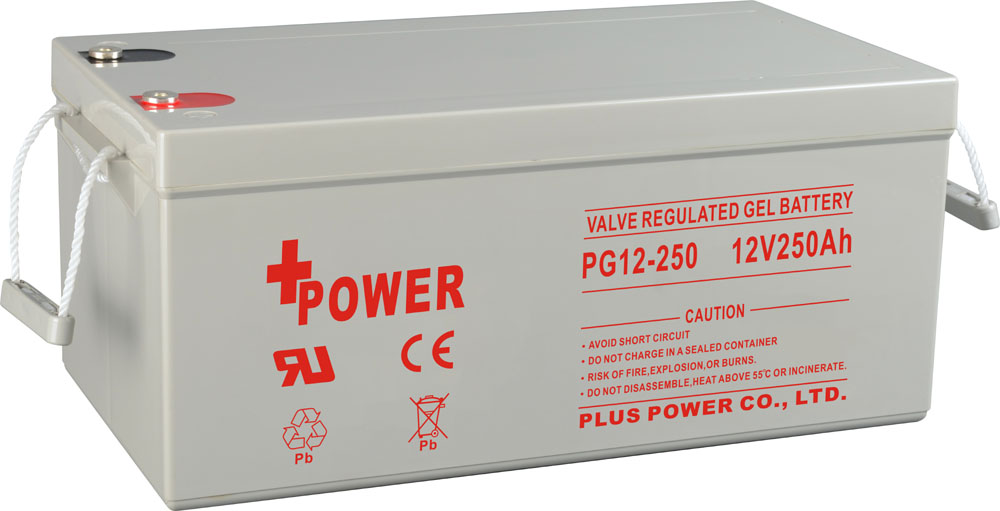
Judging the quality of a GEL battery involves assessing various factors to ensure its reliability, performance, and overall suitability for the intended application. Here are key aspects to consider when evaluating a GEL battery:
Brand Reputation and Manufacturer: Choose batteries from reputable manufacturers with a history of producing reliable and high-quality products. Established brands often invest in research and development, ensuring better performance and durability.
Capacity and Voltage: Confirm that the battery’s capacity (measured in ampere-hours, Ah) and voltage match the requirements of your specific application. Ensure that the battery provides sufficient power for the intended use.
Cycle Life: Evaluate the battery’s cycle life, which refers to the number of charge-discharge cycles it can undergo while maintaining acceptable performance. A higher cycle life indicates better durability and a longer service life.
Charging Characteristics: Understand the charging characteristics of the GEL battery, including charging voltage and current requirements. Proper charging is crucial for maximizing the battery’s lifespan and performance.
Temperature Range: Consider the temperature range within which the GEL battery can operate effectively. Some batteries may have a broader operating temperature range, making them suitable for diverse environments.
Self-Discharge Rate: A good GEL battery should have a low self-discharge rate, meaning it retains its charge when not in use. Lower self-discharge rates are important for applications where the battery is used infrequently.
Sealed Construction: GEL batteries are known for their sealed construction, which minimizes the risk of electrolyte leakage. Ensure that the battery is securely sealed to prevent spills and make it suitable for applications with orientation constraints.
Vibration Resistance: If the battery will be exposed to vibrations or shocks, check for its vibration resistance capabilities. Gel batteries are often chosen for applications where stability under vibration is crucial.
Warranty: A manufacturer’s warranty is an indicator of their confidence in the product’s quality. Check the warranty period and terms to understand the level of support provided.
User Reviews and Feedback: Look for user reviews and feedback from other customers who have used the same GEL battery model. Real-world experiences can provide valuable insights into the performance and reliability of the battery.
By considering these factors and thoroughly researching the specifications and user experiences, you can make an informed decision when selecting a GEL battery that meets your specific requirements and standards for quality.
How to find a good GEL battery supplier in China?
Finding a reliable GEL battery supplier in China involves careful research and evaluation to ensure quality, reliability, and good business practices. Here are some steps you can take to find a reputable supplier:
Online Research: Start by researching GEL battery manufacturers and suppliers in China through online platforms which allow you to browse a wide range of suppliers, view product catalogs, and compare prices and specifications.
Supplier Verification: Verify the legitimacy of potential suppliers by checking their company profiles, including business registration details, certifications, and contact information. Look for established companies with a history of exporting GEL batteries to international markets.
Product Catalog Evaluation: Review the product catalogs of potential suppliers to assess the range of GEL batteries offered, including specifications, capacity options, and technical details. Ensure that the batteries meet your requirements in terms of performance, voltage, capacity, and other specifications.
Quality Certifications: Look for suppliers that hold relevant quality certifications such as ISO 9001, ISO 14001, and CE certification. These certifications indicate that the supplier adheres to international quality standards and manufacturing best practices.
Sample Orders: Consider ordering samples from multiple suppliers to evaluate the quality of their GEL batteries firsthand. Testing samples allows you to assess performance, durability, and overall build quality before making a larger purchase.
Factory Inspection: If feasible, arrange for a factory visit or inspection to assess the supplier’s manufacturing facilities, production processes, and quality control measures. Direct inspection provides valuable insights into the supplier’s capabilities and commitment to quality.
Customer References and Reviews: Request customer references from potential suppliers or search for reviews and testimonials from other buyers who have sourced GEL batteries from them. Positive feedback and references indicate a supplier’s reliability and customer satisfaction.
Communication and Support: Evaluate the supplier’s communication responsiveness, language proficiency, and willingness to address your inquiries and concerns promptly. Effective communication is essential for establishing a smooth and reliable business relationship.
Negotiation and Contracts: Negotiate pricing, payment terms, delivery schedules, and other terms with the selected supplier. Ensure that all agreements are documented in a formal contract to clarify expectations and protect both parties’ interests.
Continued Monitoring: Maintain regular communication with the supplier and monitor the quality and performance of the GEL batteries received. Address any issues or concerns promptly to ensure ongoing satisfaction and collaboration.
By following these steps and conducting thorough due diligence, you can find a reputable GEL battery supplier in China that meets your quality standards, business requirements, and budgetary considerations.
Why choose the Plus Power Gel battery?
Choosing the Plus Power Gel battery offers several advantages and benefits that make it a preferred option for various applications. Here are some reasons why you might consider selecting the Plus Power Gel battery:
Reliability: Plus Power Gel batteries are known for their reliability and consistent performance. They are manufactured using high-quality materials and advanced production processes to ensure reliable power delivery over an extended service life.
Long Service Life: These batteries are designed to withstand numerous charge-discharge cycles, providing a long service life compared to conventional lead-acid batteries. The durable construction and optimized gel electrolyte formulation contribute to prolonged battery longevity.
Maintenance-Free Operation: Plus Power Gel batteries are sealed and maintenance-free, eliminating the need for regular electrolyte topping-up or watering. This feature reduces maintenance requirements and ensures hassle-free operation, making them ideal for applications where accessibility is limited.
Deep Discharge Capability: The Plus Power Gel battery is engineered to handle deep discharge cycles effectively without compromising performance or longevity. This capability makes them suitable for applications requiring frequent and deep cycling, such as renewable energy storage and backup power systems.
Wide Operating Temperature Range: These batteries are designed to operate effectively across a broad temperature range, from extreme cold to high heat. This versatility makes them suitable for use in diverse environments and climates, including outdoor applications where temperature fluctuations are common.
Vibration and Shock Resistance: Plus Power Gel batteries are built to withstand vibration and shock, making them suitable for use in rugged environments or mobile applications such as marine, RV, and off-road vehicles. The robust construction ensures reliable performance even in challenging conditions.
Environmentally Friendly: These batteries are manufactured using environmentally friendly materials and production processes, minimizing their impact on the environment. Plus Power Gel batteries are recyclable and comply with international environmental regulations, making them a sustainable choice for eco-conscious consumers.
Versatile Applications: Plus Power Gel batteries are suitable for a wide range of applications, including solar energy storage, UPS systems, electric vehicles, telecommunications, marine, RV, and off-grid power systems. Their versatility and performance make them a preferred option across various industries and sectors.
Overall, the Plus Power Gel battery offers a combination of reliability, longevity, maintenance-free operation, and versatility, making it a compelling choice for powering diverse applications with confidence.
One Response
Great article! I really appreciate the clear and detailed insights you’ve provided on this topic. It’s always refreshing to read content that breaks things down so well, making it easy for readers to grasp even complex ideas. I also found the practical tips you’ve shared to be very helpful. Looking forward to more informative posts like this! Keep up the good work! YouTube Downloader Online