














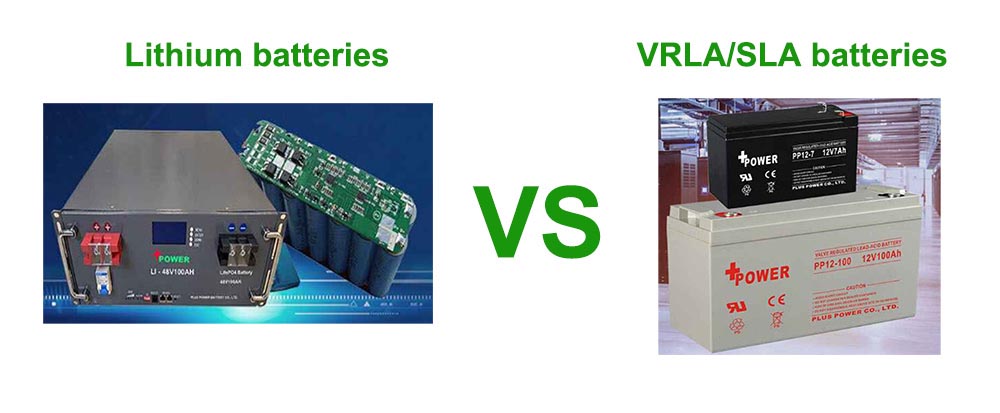
How to choose a solar battery for an off-grid solar system?
Choosing the right solar battery for an off-grid solar system involves several key considerations to ensure optimal performance and reliability. Here’s a step-by-step guide to help you make the best decision:
Assess Your Energy Needs: Determine your daily energy consumption requirements. Calculate the total watt-hours (Wh) or kilowatt-hours (kWh) you’ll need to power your off-grid appliances and devices. This assessment will guide you in selecting a battery with sufficient capacity to meet your needs.
Understand Battery Types: Familiarize yourself with the different types of batteries commonly used in off-grid solar systems, such as lead-acid, lithium-ion, and saltwater batteries. Each type has its own characteristics, including cost, lifespan, efficiency, and maintenance requirements.
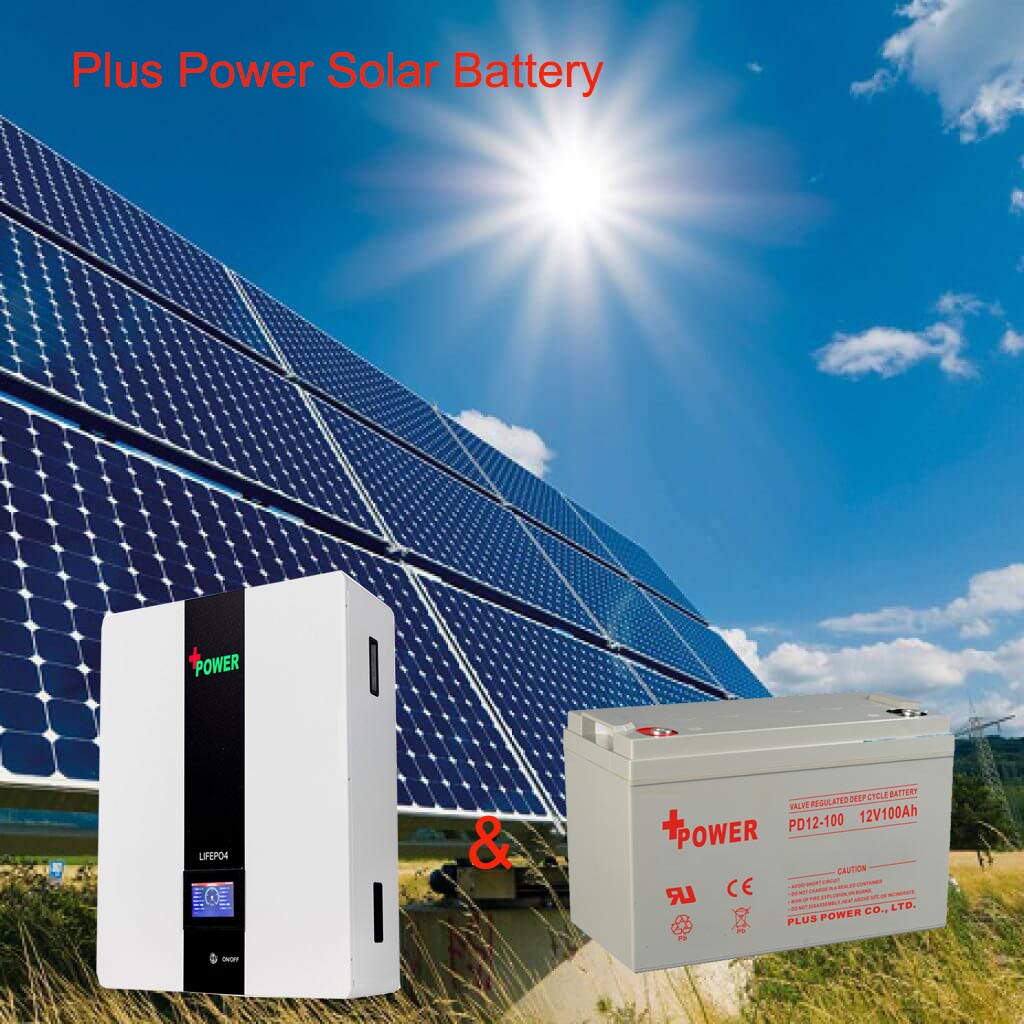
Consider Depth of Discharge (DoD): DoD refers to the percentage of a battery’s capacity that can be safely utilized before recharging. Lithium-ion batteries typically offer a higher DoD (around 80-90%) compared to lead-acid batteries (usually 50-70%). Choosing a battery with a higher DoD can maximize usable energy and prolong battery life.
Evaluate Cycle Life: Cycle life indicates the number of charge-discharge cycles a battery can undergo before its capacity significantly degrades. Lithium-ion batteries generally have a longer cycle life (several thousand cycles) compared to lead-acid batteries (a few hundred cycles). Consider your long-term energy needs and select a battery with an appropriate cycle life to minimize replacement frequency.
Assess Temperature Performance: Batteries perform differently under varying temperature conditions. Some batteries may require temperature control mechanisms to operate efficiently in extreme climates. Consider the temperature range of your location and choose a battery that can withstand the environmental conditions.
Factor in Maintenance Requirements: Different battery types have varying maintenance needs. Lead-acid batteries may require regular water topping-up and equalization charges, while lithium-ion batteries typically have lower maintenance requirements. Factor in the time and effort you’re willing to invest in battery maintenance when making your decision.
Compare Cost and Value: Evaluate the initial cost as well as the long-term value of the battery. While lithium-ion batteries generally have a higher upfront cost, they may offer better value over time due to their longer lifespan, higher efficiency, and lower maintenance requirements. Calculate the cost per kilowatt-hour of storage capacity to make a fair comparison.
Check Compatibility: Ensure that the chosen battery is compatible with your solar system components, including the charge controller and inverter. Compatibility issues can lead to inefficient operation or damage to equipment.
Read Reviews and Seek Recommendations: Research the performance and reliability of different battery brands and models. Read customer reviews, seek recommendations from professionals, and consult with experienced off-grid solar system owners to gather insights and make an informed decision.
Plan for Expansion: Consider future expansion of your off-grid solar system when selecting a battery. Choose a modular battery system that allows for easy scalability, enabling you to add more storage capacity as your energy needs grow.
By carefully considering these factors and conducting thorough research, you can choose a solar battery that meets your off-grid energy requirements effectively and efficiently.
The advantages and disadvantages of the VRLA/SLA batteries for the solar systems
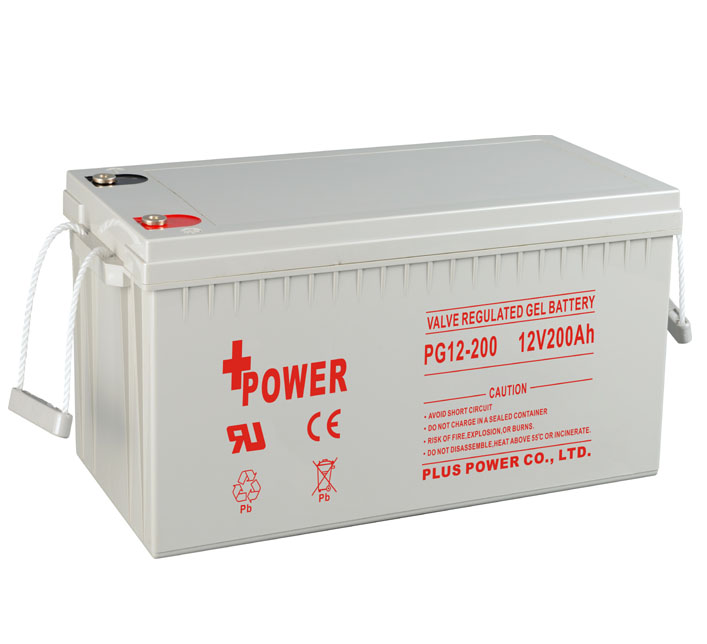
Valve Regulated Lead-Acid (VRLA) or Sealed Lead-Acid (SLA) batteries are commonly used in solar power systems due to their reliability, cost-effectiveness, and maintenance-free operation. However, they also come with their own set of advantages and disadvantages when used in solar applications:
Advantages:
Low Initial Cost: VRLA/SLA batteries are relatively inexpensive compared to other battery technologies like lithium-ion. This makes them a cost-effective choice for smaller-scale solar systems or budget-conscious consumers.
Maintenance-Free Operation: These batteries are sealed, eliminating the need for regular maintenance tasks such as adding water or electrolyte checks. This makes them ideal for remote or off-grid solar installations where access for maintenance may be limited.
Wide Availability: VRLA/SLA batteries are widely available and come in various sizes and capacities, making them easily accessible for solar system installations.
Good Cycling Performance: While not as efficient as some other battery chemistries, VRLA/SLA batteries still offer decent cycling performance, allowing them to be discharged and recharged repeatedly without significant capacity loss.
Safe Operation: VRLA/SLA batteries are designed with safety features such as pressure relief valves and flame arrestors, reducing the risk of hazardous situations like electrolyte spills or gas leaks.
Disadvantages:
Limited Depth of Discharge (DoD): VRLA/SLA batteries have a limited DoD compared to other battery chemistries like lithium-ion. Discharging them beyond their recommended depth can significantly reduce their lifespan and overall performance.
Shorter Lifespan: Generally, VRLA/SLA batteries have a shorter lifespan compared to lithium-ion batteries. They typically last for a few hundred cycles, whereas lithium-ion batteries can endure several thousand cycles, making them more suitable for long-term solar installations.
Sensitive to Temperature: Extreme temperatures can affect the performance and lifespan of VRLA/SLA batteries. High temperatures can accelerate degradation, while cold temperatures can reduce their ability to hold a charge.
Weight and Size: VRLA/SLA batteries are typically heavier and bulkier compared to lithium-ion batteries with similar energy storage capacities. This can pose challenges during installation and transportation, especially for larger battery banks.
Lower Energy Density: VRLA/SLA batteries have lower energy density compared to lithium-ion batteries, meaning they require more space to store the same amount of energy. This can be a limiting factor for installations with limited space availability.
In summary, while VRLA/SLA batteries offer several advantages such as low cost and maintenance-free operation, they also have limitations including shorter lifespan and sensitivity to temperature fluctuations. When choosing batteries for a solar system, it’s essential to weigh these factors against your specific requirements and budget to make an informed decision.
The advantages and disadvantages of the lithium batteries for the solar systems
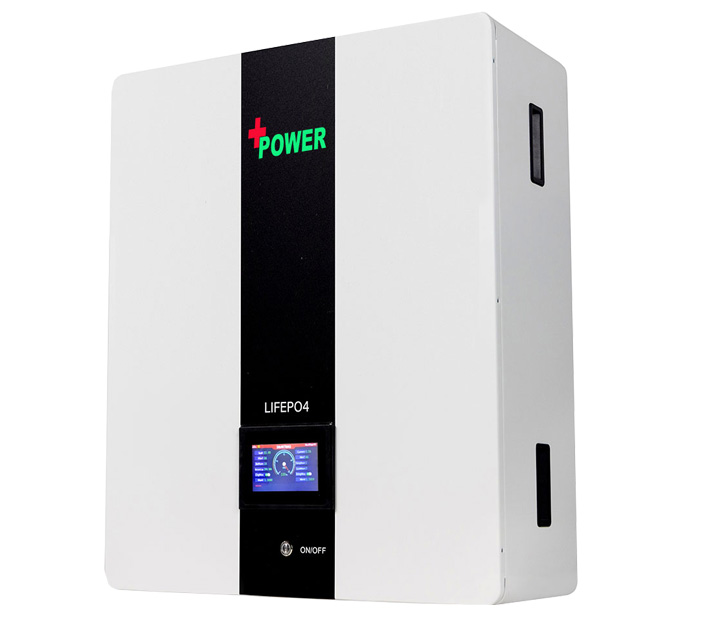
Lithium batteries have gained popularity in solar power systems due to their high energy density, longer lifespan, and superior performance compared to traditional lead-acid batteries. However, they also come with their own set of advantages and disadvantages:
Advantages:
High Energy Density: Lithium batteries offer a higher energy density compared to lead-acid batteries, meaning they can store more energy in a smaller and lighter package. This makes them ideal for installations where space is limited or weight is a concern.
Longer Lifespan: Lithium batteries typically have a longer lifespan compared to lead-acid batteries. They can endure several thousand charge-discharge cycles, significantly outlasting lead-acid batteries, which usually last for a few hundred cycles. This extended lifespan reduces the frequency and cost of battery replacements, making lithium batteries more cost-effective in the long run.
Deeper Depth of Discharge (DoD): Lithium batteries can be safely discharged to a lower depth of discharge compared to lead-acid batteries. This means that a higher percentage of their capacity can be utilized without risking damage or reducing lifespan. It allows for better utilization of stored energy and increases system efficiency.
Fast Charging: Lithium batteries can be charged at a much faster rate compared to lead-acid batteries. This allows for quicker recharging of the battery bank, reducing downtime and ensuring a more reliable power supply.
High Efficiency: Lithium batteries have high charge and discharge efficiency, typically around 95% or higher. This means that a smaller amount of energy is lost during the charging and discharging process, resulting in more efficient energy utilization and lower overall energy costs.
Disadvantages:
Higher Initial Cost: Lithium batteries have a higher upfront cost compared to lead-acid batteries. While their lower long-term maintenance and replacement costs can offset this initial investment over time, the higher initial cost can be a barrier for some consumers, especially those on a tight budget.
Temperature Sensitivity: Lithium batteries can be sensitive to temperature extremes. High temperatures can accelerate degradation and reduce lifespan, while low temperatures can decrease performance and capacity. Proper thermal management systems may be required to ensure optimal battery operation in varying climates.
Safety Concerns: While lithium batteries are generally considered safe when properly designed and used, there have been instances of thermal runaway and fires in poorly manufactured or mistreated lithium batteries. Proper installation, monitoring, and safety protocols are essential to mitigate these risks.
Complex Battery Management Systems (BMS): Lithium batteries require sophisticated Battery Management Systems (BMS) to ensure safe operation and optimal performance. These BMS systems monitor cell voltages, temperatures, and other parameters to prevent overcharging, over-discharging, and thermal runaway. The complexity of these systems adds to the overall cost and complexity of the solar power system.
Limited Availability: While lithium batteries are becoming more widely available, there may still be limitations in certain regions or markets compared to lead-acid batteries. Limited availability can affect pricing and accessibility for consumers.
In summary, lithium batteries offer numerous advantages such as high energy density, longer lifespan, and faster charging compared to lead-acid batteries. However, they also come with higher initial costs, temperature sensitivity, safety concerns, and the need for complex battery management systems. When selecting batteries for a solar system, it’s essential to weigh these factors against your specific requirements and budget to determine the most suitable option.